Be the Light: A Display Font with Purpose
Some fonts whisper. Others shout. And then there are those that simply glow. Be the Light belongs to the latter category—a display typeface that carries warmth, intention, and a quiet confidence in every letterform. If you have spent any time browsing premium font catalogs, you have likely noticed how many typefaces feel either too rigid or too decorative to use meaningfully. This one lands somewhere more useful: expressive enough to command attention, restrained enough to let your message breathe.
In my work across branding and editorial projects, I have tested dozens of display fonts that promised personality but delivered noise. Be the Light is different. It has a hand-drawn quality without looking unfinished, a sense of movement without sacrificing legibility. That balance is harder to achieve than most designers realize. Let me walk through what makes this typeface stand out, where it performs best, and how to evaluate whether it fits your next project.
Visual Character and Personality
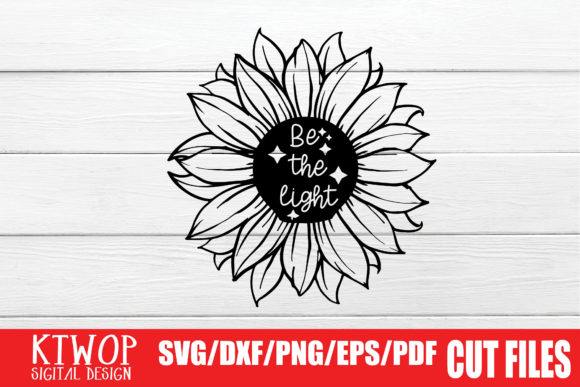
At first glance, Be the Light presents itself as a handwritten display font with a soft, approachable edge. The strokes carry a natural variation—thicker on downstrokes, lighter on crossbars—that mimics the pressure of a pen moving across paper. This is not a sterile, mathematically perfect typeface, and that is precisely its strength. The irregularities feel intentional, like the work of a skilled lettering artist who knows when to break a rule for emotional effect.
The letterforms lean slightly forward, giving the font a gentle momentum. Ascenders reach upward with optimism, while descenders stay grounded. The overall impression is one of warmth, sincerity, and a touch of whimsy. It is the kind of typeface you might choose for a brand that wants to say, "We are human, we care, and we have something meaningful to share." That emotional resonance is rare in commercial fonts, and it is what makes Be the Light worth serious consideration for projects where connection matters more than polish.
The style sits somewhere between a script font and a handwritten font, though it avoids the excessive flourishes that make many script typefaces impractical for body copy. Each letter remains distinct, which is a common pain point with casual handwritten fonts. You will not struggle to read a headline set in Be the Light at smaller sizes, which is more than I can say for many display fonts in the same category.
Where the Font Shines Across Projects
The real test of any premium font is versatility, and Be the Light performs well across several creative contexts. Here is where I have seen it deliver the strongest results, both in my own work and in projects by peers.
Logo design and brand identity. For small businesses, freelancers, or lifestyle brands, this typeface brings a human element that sans serif and serif fonts often lack. A boutique bakery, a wedding photographer, a children's book author, or a wellness coach could all use Be the Light in their primary logo mark and see an immediate shift in brand perception. The font reads as approachable yet professional, which is a surprisingly difficult combination to achieve with a single typeface.
Editorial and packaging design. Magazine covers, product labels, and book titles benefit from the font's ability to grab attention without overwhelming the layout. On a journal cover or a candle package, Be the Light adds a layer of tactile warmth that makes the product feel personal. I have seen it used effectively on subscription box packaging, where the handwritten quality reinforces the idea of a curated, thoughtful experience.
Social media graphics and web design. In digital spaces, where users scroll past dozens of images per second, a strong headline font can stop the thumb. Be the Light works beautifully for Instagram quote cards, YouTube thumbnail titles, and hero section headlines. It pairs naturally with clean sans serif fonts for body copy, creating a visual hierarchy that feels intentional and easy to follow. For bloggers and content creators, this font can become a signature element that makes your feed or website instantly recognizable.
Personal and commercial projects. Whether you are designing wedding invitations, holiday cards, or a small run of posters for a local event, Be the Light brings a handmade quality that digital tools often strip away. The font's personality elevates projects that benefit from a personal touch, and the commercial licensing options make it a safe choice for client work.
Influence on Readability, Brand Perception, and Engagement
Choosing a display font is not just about aesthetics. Every typeface you use sends a signal to your audience, and Be the Light signals intentional warmth. This may sound like marketing language, but consider how your brain processes a headline set in a rigid geometric sans serif versus one set in this font. The former feels efficient, corporate, and neutral. The latter feels human, generous, and present. For brands that rely on emotional connection—think lifestyle, wellness, education, and creative services—that shift in perception directly influences engagement.
Readability is a genuine concern with display fonts, and I want to be honest about where Be the Light works best. At large sizes, it is clear and inviting. At medium sizes (around 18–24 points), it remains readable for short passages. I would not recommend it for long body copy or dense paragraphs, but that is not its purpose. Used as a headline or accent font, it creates a clear visual hierarchy that guides the reader's eye naturally. Pair it with a neutral sans serif font or a clean serif font for body text, and you have a system that is both engaging and professional.
Consistency also matters. Because Be the Light includes multiple stylistic alternates and ligatures, you can maintain a cohesive look across different applications without repeating the exact same letterforms. This is especially valuable in brand identity work, where repetition can make a custom font feel mechanical. Having variety built into the typeface itself saves time and keeps your designs feeling fresh.
Practical Guidance for Choosing and Using the Font
Before you commit to any commercial font for a project, take time to evaluate fit. Here is a practical checklist based on what I have learned from using Be the Light in real client work.
Test the font in context. Do not judge it based on a specimen sheet alone. Pull it into your design software and set actual headlines and subheadings using your project's content. Pay attention to how the font handles capital letters, punctuation, and common word combinations. If the font includes alternate characters and ligatures (and many premium versions do), experiment with those to see how much variation you can achieve.
Consider your brand voice. Be the Light works best for brands that prioritize warmth, creativity, and human connection. If your project calls for authority, urgency, or technological precision, a different display font or a clean sans serif font may be more appropriate. Match the font's personality to your message, not the other way around.
Review included styles and weights. A strong commercial font package will give you at least two or three weights, plus italics or alternates. Be the Light typically includes enough variety to handle headlines, subheadings, and short accent text, but verify what is included before you purchase. If you need a single weight for a focused project, that may be sufficient. For broader brand systems, look for a package that offers flexibility.
Pair thoughtfully. One of the most common mistakes I see is pairing a heavily styled display font with another decorative typeface. The result is chaos. Be the Light pairs best with neutral sans serif fonts like a geometric or humanist style, or with a clean serif font that does not compete for attention. The goal is contrast—let your display font be the star while the supporting typeface provides structure and readability.
Check licensing for commercial use. If you are designing for a client or using the font in products for sale, confirm that the license covers your specific use case. Most reputable font foundries offer standard desktop licenses, web licenses, and extended options. Skipping this step can lead to legal issues down the road, so treat it as a non-negotiable part of your workflow.
Observations from Real Projects
I recently used Be the Light in a brand refresh for a small wellness studio that offers yoga and meditation classes. The owner wanted to move away from the cold, minimalist look that dominates the industry and toward something that felt more personal and welcoming. We paired Be the Light with a lightweight sans serif font for body copy and used the display font for the studio name, class titles, and promotional quotes on social media. The response from existing clients was immediate—they described the new look as "warmer" and "more like the actual experience of being in the studio." That is exactly the kind of feedback that confirms a font choice was right.
In another project, a freelance illustrator used Be the Light for her online portfolio headers and print business cards. The handwritten quality of the font aligned naturally with her sketch-based illustration style, creating a cohesive brand identity that felt like an extension of her artwork rather than an add-on. This is where modern typography shines—when the typeface becomes part of the creative expression, not just a tool for displaying text.
On the flip side, I have also seen the font used in contexts where it did not fit. A financial advisory firm tried it in a brochure and the result felt forced. The warmth of the font clashed with the serious, numbers-driven message of the content. That mismatch hurt credibility rather than building connection. The lesson is clear: even a beautiful creative font needs the right environment to thrive.
Final Thoughts on Adding Be the Light to Your Toolbox
Be the Light is not a font for every project, but it is a font worth knowing. For designers, entrepreneurs, content creators, and small business owners who want their work to feel human, accessible, and visually distinct, this typeface offers a reliable shortcut to those qualities. It saves you the effort of trying to make a sterile font feel warm through spacing and color tricks—the warmth is already built into the letterforms.
When evaluating any premium font, ask yourself whether it makes your work better or simply different. Be the Light makes work better by adding emotional resonance without sacrificing professionalism. That is a rare combination, and one that earns it a permanent place in my design assets library. If you are looking for a display font that feels like it was made for meaningful projects, this one deserves your attention.