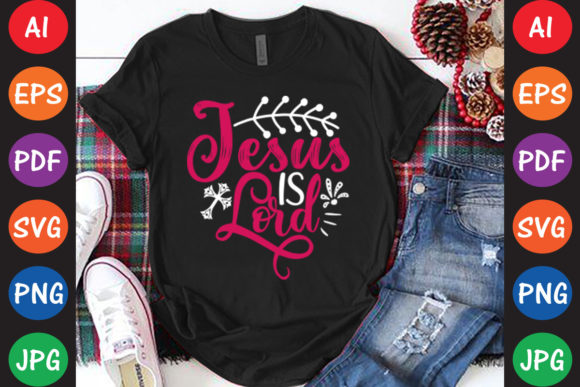
Designing for the Message: Jesus is Lord
What does it truly mean to design for a declaration of ultimate authority? When an organization or community anchors its identity in the statement "Jesus is Lord," the visual identity must carry profound weight, reverence, and accessibility simultaneously. For graphic designers, this presents a uniquely rewarding challenge in visual communication and brand storytelling.
Whether you are developing a logo, crafting marketing materials, or building a digital presence, the design must serve the message without competing against it. This core principle applies to any purpose-driven brand, but it becomes essential when the message is as significant as "Jesus is Lord." The visual hierarchy, color psychology, and typography must work in seamless harmony to communicate authority and grace.
The Weight of Typography and Visual Hierarchy
Typography is the foundation of any design system. A phrase like "Jesus is Lord" demands a typeface that balances commanding presence with human warmth. A bold serif font can communicate tradition and stability, while a clean, modern sans-serif makes the statement feel immediate and relatable. The key is intentionality. Kerning, leading, and white space all contribute to a visual rhythm that allows the reader to pause and absorb the meaning.
Establishing a clear visual hierarchy ensures the core message lands first. Secondary text should support without clutter. In web design and UI design, this principle of hierarchy guides user behavior and strengthens the overall user experience, especially on screens where attention is fleeting.
Color Psychology and Brand Identity
Color carries emotional and symbolic weight. Deep blues evoke trust and wisdom. Golds signal glory and something precious. Rich crimson communicates sacrifice and passion. Yet modern aesthetics also embrace muted earth tones for humility or stark monochrome palettes for raw authenticity. The color palette you choose directly shapes how the audience perceives the brand identity.
For designers working on creative assets, the color system must be consistent across all touchpoints. A well-defined palette ensures that whether the message appears on a social media graphic, a print piece, or packaging merchandise, the emotional resonance remains intact. This consistency builds recognition and trust over time.
Practical Applications Across Disciplines
The principles of designing for this message extend across nearly every area of visual design:
- Logo Design and Branding: Creating simple, scalable marks that respect tradition while feeling current.
- Web Design and UX: Intuitive navigation and inspiring layouts that function as digital sanctuaries.
- Social Media Graphics: Communicating deep truth in a split-second scroll environment.
- Editorial and Print Design: Layouts for books, bulletins, and posters that prioritize harmony and flow.
- Packaging Design and Merchandise: Products that become walking ambassadors for the message.
- Digital Products and Presentations: Clean, professional decks and guides that support clear communication.
Modern Aesthetics and Design Workflow
While the message is timeless, the medium can be current. Today’s design trends—minimalism, bold typography, organic shapes, and subtle textures—can all be harnessed strategically to make the statement feel fresh and relevant. The goal is to use trends in service of the message, not as decoration that distracts.
Integrating high-quality creative assets such as icon sets, custom textures, and curated photography into your design workflow elevates the final product. These assets should align with the brand’s core values and visual language. A thoughtful approach to composition and scalability ensures the design works effectively from a mobile screen to a large-format event backdrop.
For digital marketing campaigns and advertising, consistency in typography and color builds a professional presentation that audiences trust. Whether you are designing for a local congregation or a global ministry, the design decisions must reflect the gravity and hope embedded in the core declaration.
Ultimately, designing for a statement like "Jesus is Lord" is a masterclass in purposeful visual communication. It demands attention to detail, a deep understanding of brand identity, and an unwavering commitment to clarity. By applying these graphic design principles with intentionality, you ensure the message is not simply seen, but truly felt and understood across every creative project and audience touchpoint.