Evaluating the Jesus on Cross Redwork Design for Your Next Project
Selecting the appropriate embroidery technique for a subject as significant as the Crucifixion is a decision that blends aesthetic ambition, technical ability, and practical intent. The Jesus on Cross Redwork Design presents a distinct set of possibilities and limitations. This evaluation breaks down what the design entails, examines the situations where it performs exceptionally well, and identifies scenarios where alternative approaches might serve your goals more effectively. By focusing on the decision-making process, this guide helps you determine whether this historic needlework style aligns with your creative and spiritual objectives.
Defining the Jesus on Cross Redwork Design
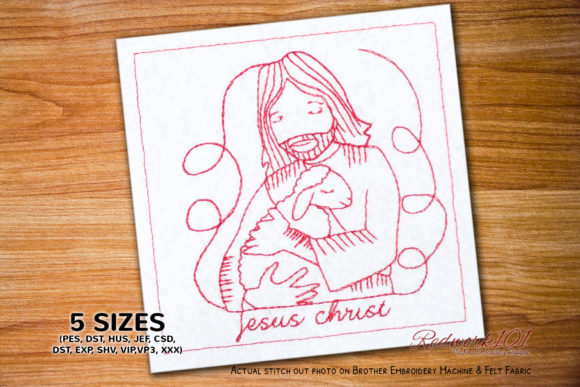
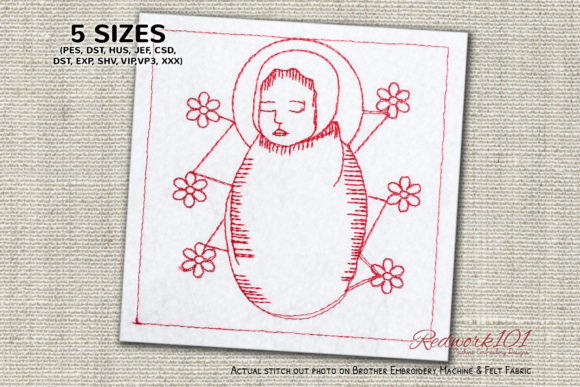
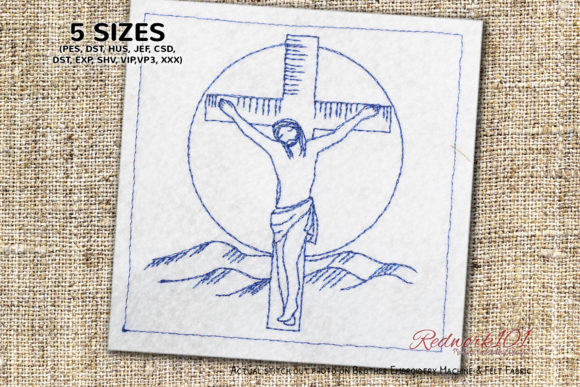
To evaluate any design choice, it is essential to understand its technical and historical foundations. Redwork, often referred to as “Turkey red” embroidery, flourished as a domestic craft in the late 19th and early 20th centuries. It relies on a single color of thread—a fast, madder-based red—applied in simple outline stitches onto a white or cream ground. The Jesus on Cross Redwork Design applies this linear, monochromatic technique to the scene of the Crucifixion. Typical motifs include a stylized corpus, a pronounced crown of thorns, a draped loincloth, and the INRI titulus. The aesthetic is deliberately flat, graphic, and reminiscent of a woodcut or pen-and-ink drawing. Stitchers primarily use the stem stitch or back stitch to trace the design, creating clean, continuous lines.
This is not a medium for photorealism or lush color gradients. Instead, it forces both the creator and the viewer to focus on the fundamental contours of the sacred form. Understanding this constraint is the first step in evaluating whether the design fits your needs.
Why Stitchers Are Drawn to This Specific Motif
Several motivations drive the choice to pursue a Jesus on Cross Redwork Design. Recognizing these can help you align your own reasons with the medium’s strengths.
- Heritage and Continuity: Many stitchers value the direct link to the past. Redwork patterns were widely used in Sunday schools and Victorian households. Stitching the same design connects the modern maker to generations of craftswomen and men who expressed their faith through needlework.
- Contemplative Practice: The repetitive, simple motion of outline stitching is conducive to meditation and prayer. The lack of complex color decisions allows the stitcher to focus on the meaning of the subject matter rather than technical color mixing.
- Graphic Aesthetic: There is an honest, stark beauty in a well-executed Redwork piece. The red-on-white contrast is bold and readable from a distance, making it suitable for banners or wall hangings in spaces with clean, modern lines.
Benefits and Tradeoffs of the Medium
A balanced evaluation requires examining both the advantages and the compromises inherent in the Jesus on Cross Redwork Design. No single technique excels in every dimension.
Benefits Worth Considering
The skill barrier to entry is low, making this an accessible option for beginners who want a meaningful project without mastering advanced shading or blending techniques. The uniform line weight creates a cohesive, consistent appearance across multiple pieces. When executed with colorfast thread, Redwork fabric ages gracefully, developing a soft, heirloom quality that is difficult to replicate with modern synthetic materials. The project is also highly portable and typically faster to complete than techniques like crewel or needle painting.
Tradeoffs That Require Honest Assessment
The monochrome limitation is the most significant constraint. Christian iconography has a deep tradition of symbolic color—gold for divinity, blue for humanity, purple for royalty. A single red thread cannot convey this symbolic palette. The linear technique also lacks the ability to model depth, volume, or soft transitions. Poorly drawn patterns can result in distorted anatomy, particularly in the hands and face of Christ. Furthermore, the historical association of Redwork with domestic “women’s work” may feel incongruous to some stitchers given the theological weight of the subject, though many reclaim this heritage as a source of quiet power.
Technical risks include thread bleeding. Not all red threads are colorfast, and pre-washing fabric and testing your thread choice are critical steps before committing to a full project.
Scenarios Where This Design Is a Strong Fit
Understanding the medium’s constraints clarifies where it excels. The Jesus on Cross Redwork Design is an excellent choice in the following situations:
- Modern or Minimalist Liturgical Spaces: A set of Redwork banners for Lent or Holy Week can be striking in a worship space with clean architecture. The starkness of the red line against white fabric speaks directly and avoids visual clutter.
- Personal Devotional Objects: Small framed pieces, bookmarks, or kneeling cushion covers benefit from the intimate scale. The simplicity encourages close viewing and private contemplation.
- Heritage and Historical Projects: For those reenacting a period setting or restoring a Victorian home, this design is period-appropriate and authentic to the tools and materials available to a 19th-century stitcher.
- Gifts with Personal Meaning: A stitched Redwork piece carries the mark of the maker’s time and attention. It serves as a thoughtful gift for baptisms, confirmations, or ordinations when the recipient values handmade, heritage craft.
Scenarios Where Alternatives Deserve Serious Consideration
Equally important is recognizing when the Jesus on Cross Redwork Design may not serve your goals. In these cases, alternative methods should be evaluated:
- When Rich Iconographic Tradition Is Required: If your project is intended for a high liturgical setting with a formal iconographic program, Redwork’s austerity may feel inadequate. Goldwork, silk shading, or traditional icon painting are better suited to convey the majesty and theological depth required.
- When Photorealism or Emotional Drama Is the Goal: Redwork cannot render skin tones, tear-streaked faces, or dramatic lighting. If your vision is a gritty, emotional portrayal of the Crucifixion, thread painting (needle painting) is the superior technique, despite requiring significantly more time and skill.
- When the Stitcher Has Visual Limitations: Fine red thread on white fabric can be difficult to see, especially under low light. This can lead to eye strain and mistakes. Blackwork (black thread on white) offers higher contrast, or a technique like cross-stitch on a larger count fabric might be more comfortable.
- When Color Symbolism Is Central to Your Faith: If your theology assigns specific meanings to colors (e.g., purple for penitence, white for resurrection), the single red hue will not accommodate that range. Consider crewel embroidery or appliqué to incorporate multiple symbolic colors.
Practical Decision-Making Insights
To determine if the Jesus on Cross Redwork Design aligns with your project goals, work through the following evaluative questions:
- Define the primary purpose. Is the main goal devotional practice, decorative art, or a heritage education piece? Your purpose will dictate the acceptable level of technical compromise.
- Identify the audience. Will this piece hang in a private home, a Sunday school room, or a main sanctuary? A public congregation may have broader expectations than a personal study.
- Assess the pattern quality critically. Look for designs with clear, continuous lines and accurate proportions. Avoid patterns where the face of Christ is reduced to a few ambiguous marks.
- Test your materials. Stitch a small sample on the same fabric and thread you plan to use. Soak it in warm water to check for bleeding. This simple test can save hours of work.
- Match the emotional tone to the medium. Redwork conveys simplicity, restraint, and quiet dignity. It does not convey agony, glory, or triumph in a dramatic sense. Ensure this tonal match aligns with your intention.
Making an Informed Choice
The Jesus on Cross Redwork Design is a specialized tool in the embroiderer’s portfolio. It is not a universal solution for every Crucifixion project, but when deployed with clear intention, it yields pieces of striking graphic honesty and deep historical resonance. By honestly assessing your goals, audience, and skill level, you can determine whether this classic design serves your creative and spiritual expression. For those seeking a meditative, heritage-based practice that produces a crisp and powerful image, Redwork remains a compelling and worthwhile path. For those needing rich color, deep shading, or formal iconographic rigor, alternative techniques are likely a better investment of time and resources. Evaluate first, then stitch with confidence.