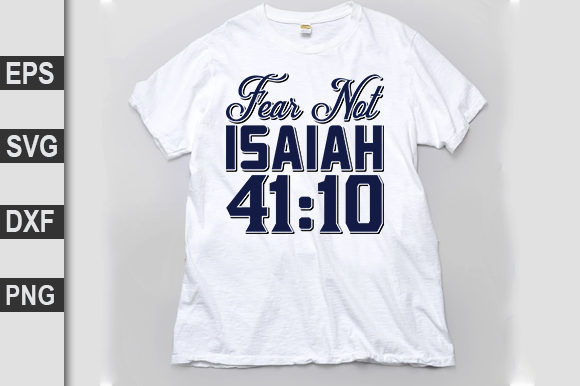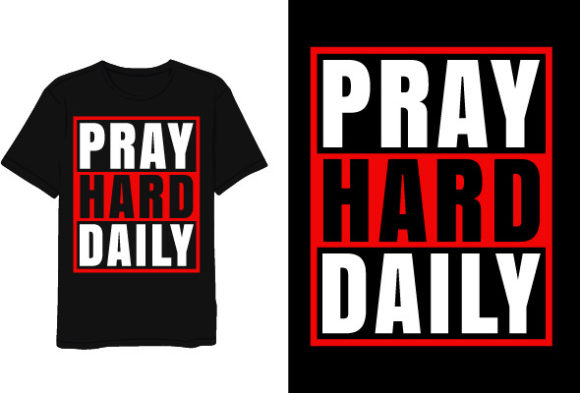
Faith in Print: Christian T-Shirt Typography Design
A blank t‑shirt is a quiet canvas, but add the right typography and it begins to speak. Christian t‑shirt typography design lives at the intersection of personal faith and visual communication. It is the practice of using letterforms, text layouts, and subtle graphic elements to express biblical truths, spiritual encouragement, or denominational identity on apparel. For many wearers, it is a way to carry their convictions into daily life. For designers, it is an opportunity to create work that resonates on a deeply personal level. However, moving from a good idea to a well‑executed design involves more than picking a favorite verse and a decorative font. It requires an understanding of how people read, what feels authentic, and how a physical garment can become a meaningful statement.
More Than Just a Bible Verse on a Tee
At its core, this craft is about conveying a message with clarity and beauty. Unlike general typography design, the Christian niche carries a unique responsibility. The designer is often working with sacred text or deeply held beliefs. The goal is to create something that feels honest, whether that is a gritty, hand‑drawn look for a Psalm about perseverance or a clean, minimalist phrase for everyday wear.
Christian t‑shirt typography design is not limited to scripture verses. It includes single words like Grace, Redeemed, or Anchored, short phrases such as Well Done Good and Faithful Servant, or even event names for church camps and conferences. The typography itself carries the tone. A sharp, modern sans‑serif conveys strength and clarity, while a soft brush script can feel intimate and worshipful. The best designs make the viewer stop, read, and reflect without feeling overwhelmed or confused.
Who Benefits from Learning This Skill?
Understanding Christian t‑shirt typography design is valuable for a surprisingly wide audience. If you fall into any of the following categories, this niche has something practical to offer:
- Church leaders and volunteers: You might need cohesive, professional‑looking shirts for a youth retreat, VBS, or outreach event. A strong design builds team identity and makes your group recognizable.
- Small business owners and entrepreneurs: The Christian apparel market is large and engaged. Print‑on‑demand has lowered the barrier to entry, but standing out requires thoughtful, original typography.
- Creative hobbyists and freelancers: If you enjoy lettering or graphic design, applying your skills to faith‑based projects can be deeply satisfying. It also opens up a niche portfolio that attracts specific clients.
- Bloggers and content creators: Merchandise is a natural extension of an online ministry or brand. Well‑designed t‑shirts turn your audience into a community that wears your message.
- Everyday believers: Maybe you just want to design a meaningful gift for a friend or a single shirt for a personal milestone like a baptism or confirmation. Learning the basics helps you create something intentional rather than relying on generic templates.
The common thread here is the desire to communicate something important. Christian t‑shirt typography design gives you the vocabulary to do that visually.
Key Characteristics of Strong Faith‑Based Typography
Not all designs are created equal. The most effective Christian t‑shirt typography design shares a few common traits that make it work in the real world.
Readability and Hierarchy
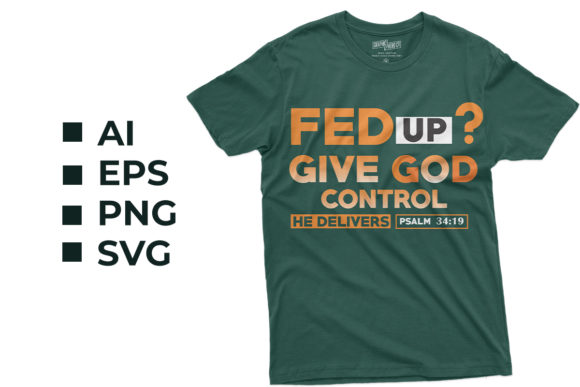
A t‑shirt is not a poster. People might see it from across a room or glance at it while walking past. Your primary message must be instantly legible. This means paying attention to hierarchy. If you are using a long Bible reference, make the core phrase or word the largest element. Let the supporting text (like the verse number or a secondary line) sit smaller. Avoid using overly decorative fonts for the main message. Save the script or display fonts for accent words.
Style and Tone
The typography should match the emotional weight of the message. A verse about joy and celebration can handle bright colors and playful, bouncy lettering. A passage about lament or endurance might call for a more restrained, sturdy typeface with muted earth tones. The texture of the design also matters. Distressed or vintage‑looking fonts work well for rugged, earthy messages, while sleek, thin letters suit modern, minimalist aesthetics. The style should never distract from the meaning.
Cohesion with Symbols
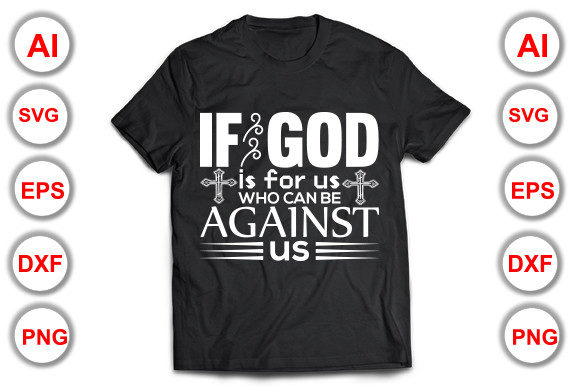
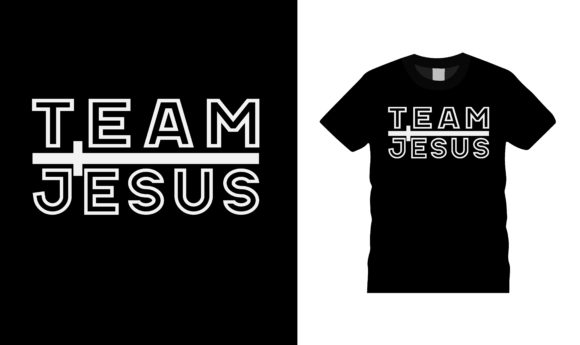
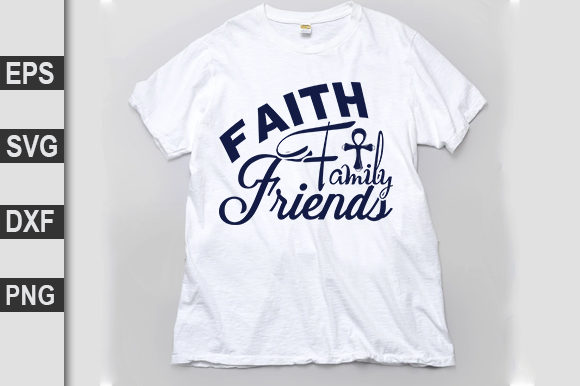
Many Christian t‑shirt designs incorporate symbols such as crosses, doves, fish, crowns, or olive branches. Effective Christian t‑shirt typography design integrates these elements naturally. They should support the text, not fight for attention. For example, a cross can replace the letter T in a word, or a dove might sit subtly within the negative space of a heading. When symbols are used thoughtfully, they deepen the message rather than clutter the design.
Where to Apply Christian T‑Shirt Typography
The practical applications for this skill are broader than you might think. It goes beyond selling products online. Here are a few realistic scenarios where thoughtful design makes a difference:
- Church events and retreats: A retreat centered on John 15 (the vine and the branches) might use organic, flowing typography in forest green and cream. The design reinforces the theme every time someone wears the shirt.
- Youth group branding: Youth culture gravitates towards modern, bold aesthetics. Clean sans‑serif fonts with bright, contrasting colors and dynamic layouts resonate well. A design that uses a hashtag or slang interpreted through a faith lens can be very effective.
- Personal gifts: Designing a shirt for a friend who is undergoing a difficult season. A simple, elegantly set phrase like Still I Will Trust in a warm, encouraging color palette can be a tangible reminder of support.
- Concert and festival merchandise: Bands and speakers often rely on t‑shirt sales. The typography here needs to be bold, memorable, and closely tied to the artist’s brand. The design should look good both on a merch table and in a crowd.
- Everyday discipleship: For many believers, wearing a thoughtfully designed shirt is a simple way to start spiritual conversations. The typography acts as a gentle invitation for others to ask questions.
Getting Started: A Beginner‑Friendly Approach
You do not need to be a professional graphic designer to create effective Christian t‑shirt typography design. The path forward is straightforward if you follow a logical process.
- Start with the message. What is the single most important idea you want to communicate? Write it down. Boil it down to its simplest form.
- Choose a reference tool. Canva is an excellent starting point. It offers hundreds of fonts and allows for basic kerning and layout adjustments. For more control, Adobe Illustrator or Affinity Designer give you full vector editing capabilities. If you prefer drawing, Procreate on an iPad is perfect for hand‑lettering.
- Sketch three rough layouts. Do not try to perfect the first idea. Try a version where the main word is huge and centered. Try a version where the text forms a shape, like a circle or a cross. Try a version with two contrasting font styles.
- Test your color palette. Aim for two to three colors maximum. Consider the color of the t‑shirt itself. A white shirt with dark text is the most readable. A dark shirt may require an underbase or a lighter ink color.
- Get feedback. Show your design to a few people who represent your target audience. Ask them what they see first and how it makes them feel. Adjust based on their honest responses.
Remember that simplicity is your friend. Many of the most successful Christian t‑shirt designs use only one or two words in a beautiful, well‑spaced layout. A cluttered design loses its impact quickly.
What to Consider Before Going to Print
Creating a design on screen is only half the battle. Shifting from pixels to physical garments involves practical constraints that every designer should understand.
Font licensing is critical. This is one of the most overlooked aspects of Christian t‑shirt typography design. Many free fonts are licensed for personal use only. If you plan to sell your shirts or even give them away as part of a paid event, you likely need a commercial license for the fonts you use. Platforms like Google Fonts usually have open licenses, but always double‑check the terms.
Understand your printing method. Screen printing is common for bulk orders. It works best with bold, solid shapes and minimal fine detail. Very thin strokes or tiny serifs can get lost or filled in during printing. Direct‑to‑garment (DTG) printing can handle more details and gradients, but it works best on 100% cotton shirts. Sublimation is excellent for all‑over prints but requires polyester fabrics. Tailor your design complexity to the printing method and budget.
Consider the audience and context. A design that works for a college‑age ministry might feel out of place at a multi‑generational church picnic. Be sensitive to cultural nuances and theological accuracy. A typography design that trivializes a serious doctrine will likely miss its mark, or worse, alienate the very people it aims to reach.
Test your design in black and white first. A strong typography layout should be readable and balanced even without color. If it looks flat in grayscale, adding color will not fix the underlying structural issues. This is a quick way to evaluate your composition.
Ultimately, the best Christian t‑shirt typography design honors its message through clarity, intentionality, and beauty. Whether you are designing for a congregation of five hundred or a single friend, the principles remain the same. Let the message guide the form, respect the medium, and always design with the wearer in mind. When done well, a simple piece of apparel becomes a statement of faith that travels with someone through their daily life.