Joy to the World: Rethinking the Christmas Story
Every December, the phrase "Joy to the World" fills shopping malls, church services, and playlist rotations. But for those of us who work with content, design, or communication, this classic hymn about the birth of Jesus offers more than seasonal nostalgia. It presents a creative framework that can be adapted, reinterpreted, and applied across many platforms and audiences. Whether you are a blogger looking for fresh angles, a designer crafting visual narratives, or a small business owner planning seasonal campaigns, the core themes of anticipation, arrival, and celebration provide rich material. Let's explore how to work with this timeless subject in ways that feel genuine, useful, and creatively satisfying.
Why the Nativity Story Still Resonates Creatively
The narrative of Jesus's birth is not just a religious account. It is a story about unexpected beginnings, humble settings, and widespread hope. For creators and communicators, these elements are gold. The idea that something world-changing can emerge from a small, overlooked place resonates with anyone building a brand, launching a project, or developing an audience. The journey of Mary and Joseph, the announcement to shepherds, and the arrival of wise men all carry archetypal patterns of challenge, discovery, and generosity.
What makes this story interesting from a practical standpoint is its flexibility. You can approach it from historical, cultural, artistic, or emotional angles. You can focus on imagery, language, or symbolism. You can strip it back to raw human experiences like travel, uncertainty, and relief. This adaptability means you can create work that connects with diverse groups without losing the core message. For marketers and educators, that versatility is invaluable.
Visual Design and Branding
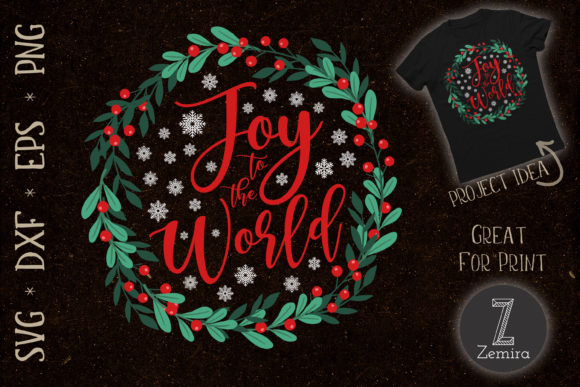
If you work in visual design, the nativity scene offers a wealth of compositional possibilities. The stable, the star, the animals, and the family grouping can be rendered in minimalist line art, bold geometric patterns, or warm illustrations. For a brand that wants to acknowledge Christmas without being overtly religious, you can focus on the universal themes of shelter, guidance, and generosity. A simple star icon paired with warm tones can evoke the story without demanding a specific belief. For packaging, social media graphics, or email headers, this approach keeps things inclusive while still drawing on a recognizable tradition.
Consider creating a series of icons or symbols that represent different aspects of the story: a lamp for guidance, a bundle of cloth for care, a crown for dignity. These can be used across a campaign to build visual consistency. For creators working on children's content, a soft, storybook style with friendly animal characters can make the narrative accessible without losing depth. The key is to choose a visual language that matches your audience's expectations and your brand's personality.
Writing and Content Creation
For bloggers, journalists, and copywriters, the birth of Jesus provides a framework for telling stories about new beginnings, generosity, and community. You don't need to write a sermon. Instead, you can use the narrative as a metaphor for launching a new product, starting a creative project, or building a community around a shared goal. The journey element works well for entrepreneurial content: the idea of traveling toward a purpose, facing obstacles, and finding help along the way mirrors the startup experience.
You can also explore lesser-known details. What was daily life like in first-century Bethlehem? How did the local community respond to visitors during a census? What does the timing of the story tell us about patience and preparation? These angles provide fresh material for long-form articles, newsletters, or podcast episodes. For social media, short reflections on themes like "making space for something new" or "finding light in unexpected places" can be shareable and reflective without being preachy.
Educational and Workshop Materials
Educators and workshop leaders can use the nativity story to teach symbolism, narrative structure, or cultural history. For a creative writing class, students can retell the story from the perspective of a minor character: the innkeeper, a shepherd's child, or one of the animals. This exercise builds empathy and narrative skill. For a design workshop, participants can create a modern visual interpretation of the scene using contemporary objects and settings. What would a 21st-century stable look like? What might a modern wise person bring as a gift?
These activities work because they respect the source material while encouraging original thinking. They also allow participants from different backgrounds to engage at their own level. For hobbyists and freelancers teaching online courses, these exercises can be packaged as printable guides, video tutorials, or live session plans. The story's familiarity makes it easy to explain, while its depth allows for rich exploration.
Practical Approaches to Staying Original
One challenge with any well-known subject is avoiding cliché. The nativity scene has been depicted millions of times, so how do you make something that feels fresh? Start by limiting your palette. Choose two or three colors and work within them. Or focus on a single element, like the star, and build a whole project around its symbolism. Restriction often forces creativity. Another tactic is to change the medium. If you usually write, try sketching. If you design digitally, try working with paper or fabric. The change in process will change the outcome.
Another useful method is to combine the story with a contemporary issue. How does the idea of finding shelter connect to homelessness? How does the arrival of a child relate to conversations about family structures or community support? By grounding the story in present-day concerns, you give it relevance and urgency. This approach works well for nonprofits, social enterprises, and advocacy groups that want to use the season to highlight their mission.
Consistency matters too. If you are creating a series of posts, products, or materials based on the nativity, decide on your tone, style, and format early. Whether you choose a minimalist aesthetic, a handcrafted look, or a photographic approach, stick with it. This builds recognition and trust. For small business owners, a consistent seasonal collection can become an annual tradition that customers look forward to.
Adapting for Different Platforms and Formats
Each platform has its own expectations. On Instagram, visual storytelling dominates. A carousel post showing the journey from Nazareth to Bethlehem with simple illustrations and short captions can engage followers without requiring long text. On Pinterest, idea pins that show how to create a minimalist nativity display or a printable coloring page can drive traffic to your site. On YouTube, a short animated video or a behind-the-scenes look at creating a nativity-themed illustration can attract viewers looking for creative inspiration.
For newsletters and blogs, long-form content that explores a single aspect of the story works well. You could write about the geography of the region, the history of Christmas traditions, or the musical evolution of the hymn itself. These topics provide value without relying on surface-level retellings. For podcasts, an episode discussing the creative process behind a nativity project, or interviewing someone who works with religious art, can offer insights that audiences appreciate.
For marketers and publishers, consider creating a bundle: a short ebook, a set of social media graphics, and a printable poster all centered on the same theme. This gives your audience multiple ways to engage and increases the perceived value of your work. The key is to adapt the depth and format to where your audience is and what they need. A busy entrepreneur might want a quick visual, while a hobbyist might enjoy a deeper dive into symbolism and technique.
Balancing Inspiration with Practical Execution
It is easy to get caught up in the beauty of the story and forget that your audience needs something usable. When creating content or products based on the nativity, always ask: What will someone do with this? Will they share it, hang it on their wall, use it as a teaching tool, or find comfort in it? If the answer is unclear, refine the idea until the purpose is obvious. Practical inspiration means the creativity serves a function, whether that is communication, education, decoration, or reflection.
Keep your language clear and your visuals uncluttered. Even when exploring deep themes, accessibility matters. Your audience might include people who are familiar with the story and those who are not. Provide enough context that anyone can follow, but avoid over-explaining. Trust your audience to engage with material that respects their intelligence. This balance is what makes content feel professional and thoughtful rather than simplistic or forced.
Finally, give yourself permission to iterate. Not every project needs to be a masterpiece. A simple sketch, a short post, or a modest product can still carry meaning and connect with someone. The act of creating with intention matters more than perfection. For freelancers and small business owners, this mindset reduces pressure and increases output. For educators and hobbyists, it keeps the process joyful rather than stressful.
Joy to the World, as a hymn and a story, invites us to celebrate something new. As creators and communicators, we have the opportunity to share that sense of arrival and hope in ways that speak directly to our audiences. By focusing on what is real, useful, and beautifully made, we can honor the tradition while making it our own. Whether you are designing, writing, teaching, or building, let the story guide your work toward clarity, generosity, and genuine connection.