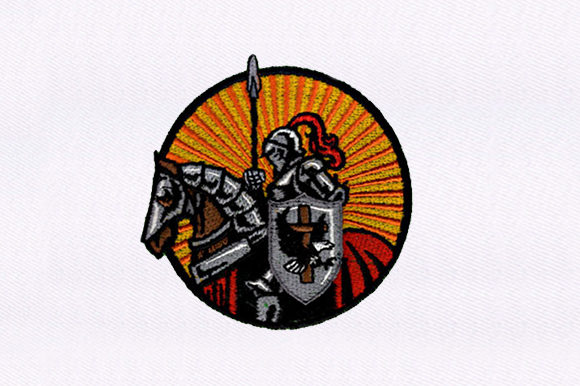
The Legacy of Christian Knights: Faith, Warfare, and Chivalry in the Medieval World
When we picture a knight in shining armor, we often think of heroism, honor, and unwavering faith. But behind the romanticized image lies a complex and fascinating institution: the Christian knight. These warrior-monks and noble soldiers were not merely fighters; they were religious figures, bound by vows of piety and service. This article explores who the Christian knights were, why they emerged, how they lived, and what their legacy means today.
Who Were the Christian Knights?
At its core, a Christian knight was a mounted warrior who dedicated his sword to the service of God and the Church. Unlike the ordinary soldier of the Middle Ages, the Christian knight followed a specific code—chivalry—which blended martial prowess with Christian virtues like mercy, loyalty, and justice.
The concept emerged in the 11th and 12th centuries, during the Crusades, when the Church sought to channel the violence of feudal warfare into a holy cause. In return for their service, knights received spiritual rewards, including indulgences and the promise of salvation.
Christian knighthood was not a single order but a broad category that included:
- Secular knights—noble warriors who served a liege lord but swore to defend the Church.
- Military orders—formal religious communities where knights took monastic vows (poverty, chastity, obedience) and fought for Christendom.
- Crusading knights—temporary soldiers who participated in specific campaigns to reclaim the Holy Land.
The Birth of the Military Orders
The most iconic Christian knights belonged to organized military orders. These groups combined the discipline of a monastery with the firepower of an army. Let's examine the three most famous orders.
The Knights Templar
Founded in 1119, the Poor Fellow-Soldiers of Christ and of the Temple of Solomon—better known as the Templars—became the wealthiest and most powerful military order. They protected pilgrims traveling to Jerusalem and eventually played a key role in banking and politics. Their white mantles with red crosses symbolized purity and martyrdom.
The Templars are often misunderstood. Popular myths claim they guarded secret treasures or possessed esoteric knowledge, but historical evidence shows they were primarily soldiers and administrators who lived by strict monastic rules. Their dramatic downfall in 1307, when King Philip IV of France arrested and disbanded them, has fueled centuries of speculation.
The Knights Hospitaller
Originally founded as a hospital order in the 11th century, the Order of St. John of Jerusalem evolved into a military force during the Crusades. The Hospitallers wore black mantles with white crosses and became renowned for their medical care alongside their fighting skills. After losing the Holy Land, they established a base in Rhodes and later Malta, where they continued as a sovereign entity. Today, the Sovereign Military Order of Malta carries on their humanitarian legacy.
The Teutonic Knights
Formed in the late 12th century, the Teutonic Order initially served in the Holy Land but later shifted its focus to Eastern Europe. They led campaigns to convert pagan Prussians and Lithuanians, establishing a powerful state in Prussia. Their white mantles with black crosses remain a recognizable symbol of medieval knighthood.
The Spiritual Life of a Christian Knight
What set Christian knights apart from ordinary soldiers was their spiritual discipline. A knight in a military order lived by a rule similar to monks. Daily life included:
- Prayer—multiple daily offices, Mass, and private devotion.
- Penance—fasting, confession, and acts of charity to atone for sins committed in battle.
- Obedience—absolute submission to the order's master and the Church.
- Poverty—no personal property; all goods were held in common.
This blend of piety and violence may seem contradictory to modern readers, but medieval Christians believed that fighting for a just cause—especially defending the faith—was a form of love. As St. Bernard of Clairvaux wrote, "The knight of Christ may strike with confidence and die with even greater confidence."
The Code of Chivalry
Chivalry was the ethical framework for Christian knighthood. While its rules varied, common principles included:
- Protect the weak—women, orphans, clergy, and pilgrims.
- Defend the Church—fight against heresy and non-believers when called.
- Keep your word—oaths were sacred.
- Show mercy—to defeated enemies and the innocent.
- Honor God—in word, deed, and battle.
This code was not always followed in practice. Knights often looted, committed violence against civilians, and broke their vows. Yet chivalry set an ideal that shaped medieval literature, art, and law.
Common Misunderstandings About Christian Knights
Several popular beliefs about Christian knights are inaccurate. Let's clarify a few:
- Myth: Knights were all religious fanatics.
Reality: While many were devout, others joined orders for wealth, land, or social advancement. The Church often struggled to control their behavior. - Myth: The Templars worshipped a secret idol (Baphomet).
Reality: This accusation came from coerced confessions during their trial. No reliable evidence supports it. The Templars were orthodox Christians. - Myth: Knights wore heavy armor that made them immobile.
Reality: A well-fitted suit of armor allowed remarkable mobility. Knights could mount horses, run, and even perform cartwheels (as demonstrated in modern reenactments). - Myth: The Crusades were purely about conversion by the sword.
Reality: While forced conversion occurred, most military orders focused on defending existing Christian territories and pilgrims, not evangelism through violence.
The Decline of Christian Knighthood
By the late Middle Ages, several factors ended the era of Christian knights:
- Political changes—the rise of centralized monarchies reduced the power of independent orders.
- Military technology—longbows, gunpowder, and pike formations made heavy cavalry less effective.
- Loss of purpose—after the fall of Acre in 1291, the Holy Land was lost, and the original crusading ideal faded.
- Internal corruption—some orders became more focused on wealth and politics than spirituality.
The Templars were disbanded in 1312. The Hospitallers eventually became a humanitarian organization. The Teutonic Order secularized its territories. By the Renaissance, knighthood had transformed into a ceremonial social rank rather than a religious vocation.
Modern Relevance of Christian Knights
Today, the concept of Christian knighthood lives on in several forms:
- Military orders—the Sovereign Military Order of Malta and the Order of the Holy Sepulchre continue charitable and spiritual work worldwide.
- Chivalric ideals—modern codes of ethics in business, leadership, and personal conduct often echo chivalric values like integrity, service, and protection of the vulnerable.
- Popular culture—books, movies, and games (from Kingdom of Heaven to Assassin's Creed) keep the image of the Christian knight alive, though often with romanticized or inaccurate portrayals.
- Religious symbolism—the figure of the "soldier of Christ" appears in Christian teaching, encouraging believers to fight spiritual battles with faith and virtue.
For the modern reader, Christian knights offer lessons about commitment, sacrifice, and the tension between ideals and reality. They remind us that faith can inspire both great good and great harm, depending on how it is interpreted and applied.
Practical Takeaways for Today
Even without armor or a sword, anyone can apply the best aspects of Christian knighthood in daily life:
- Serve a higher purpose—whether through faith, community, or ethical principles, let your actions reflect something beyond self-interest.
- Protect the vulnerable—stand up for those who cannot defend themselves, whether in your workplace, neighborhood, or online.
- Honor your commitments—be trustworthy in all your dealings.
- Seek continual growth—just as knights trained physically and spiritually, invest in your own education, character, and skills.
- Balance strength with mercy—assertiveness and compassion are not opposites; they can coexist.
Conclusion
Christian knights were far more than armored warriors. They represented a unique fusion of faith, military duty, and moral aspiration. From the Crusades to the fall of the Templars, their history is filled with heroism, tragedy, and complexity. By understanding who they were—and what they stood for—we gain insight into medieval society and timeless questions about the relationship between belief and action.
Whether you're a history enthusiast, a spiritual seeker, or simply curious, the story of Christian knights invites you to explore a world where faith and the sword walked hand in hand. Their legacy challenges us to consider our own commitments and how we might wield whatever influence we have for the good of others.