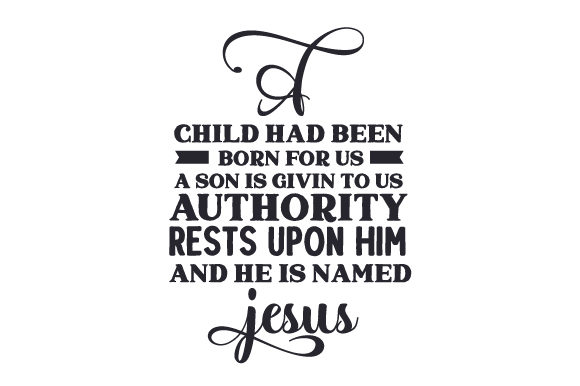
The Promise of a Child Born for Us: Understanding Isaiah 9:6 and Its Meaning Today
For centuries, a single verse from the ancient book of Isaiah has resonated with profound hope and mystery. "For to us a child is born, to us a son is given; and the government shall be upon his shoulder, and his name shall be called Wonderful Counselor, Mighty God, Everlasting Father, Prince of Peace" (Isaiah 9:6). Many recognize these words from Christmas carols or holiday readings, but their depth extends far beyond a seasonal celebration. This passage speaks of a promise that shaped history, a child whose identity and authority carry practical meaning for everyday life.
This article explores the context of this ancient prophecy, the meaning behind the names given to this child, and how the declaration that authority rests upon him remains relevant for modern readers—whether you are exploring faith, seeking clarity in a chaotic world, or simply curious about one of the most quoted verses in the Bible.
The Ancient Promise in Context
To understand the weight of Isaiah 9:6, we must first step into the world of the prophet Isaiah. He ministered to the people of Judah during a time of political turmoil and spiritual decline around 700 BC. The nation faced threats from powerful empires like Assyria. Fear, uncertainty, and a longing for deliverance filled the air.
Isaiah’s message was a mixture of warning and hope. In the chapters leading up to this verse, he described darkness and distress overtaking the land. But then, a shift occurs. Suddenly, light breaks through. The prophet declares that the people walking in darkness have seen a great light. This light is not a military conquest or a political reform—it is a child. A son. A ruler unlike any the world had seen before.
The promise was not just for the immediate future. It pointed to a coming king from the line of David who would establish justice and righteousness forever. This child would bear the ultimate authority, not through force, but through wisdom, divinity, and peace.
Unpacking the Names: Who Is This Child?
The verse gives four distinct titles for this child. Each name reveals a different facet of his identity and purpose. Together, they paint a picture of a leader who is both approachable and transcendent.
Wonderful Counselor
The first title, Wonderful Counselor, combines two ideas. The word "wonderful" in Hebrew suggests something extraordinary, beyond human understanding—a miracle or a wonder. A "counselor" is one who gives guidance, wisdom, and advice. This is not a ruler who relies on brute strength but on flawless insight.
In practical terms, this means the child embodies perfect wisdom for life’s decisions. Whether you are navigating a career change, a relationship challenge, or a personal crisis, the idea of a "Wonderful Counselor" offers a source of guidance that is both supernatural and deeply personal. It suggests that we do not have to figure everything out alone.
Mighty God
This is perhaps the most startling title. A human child is called Mighty God. In a culture that strictly believed in one God, this was a radical declaration. It implies that this child would be divine. The term "Mighty God" evokes strength, power, and the ability to overcome any obstacle.
For readers today, this name challenges us to consider the nature of this ruler. He is not just a wise teacher or a moral example. He is described as God himself, entering human history in the form of a vulnerable infant. This union of weakness and power is central to the Christian understanding of Jesus.
Everlasting Father
The third title, Everlasting Father, redefines what authority looks like. A father in ancient cultures was a provider, protector, and source of identity. But this father is described as "everlasting"—eternal, unchanging, and always present.
This name addresses a deep human longing for security and belonging. Many people carry wounds from imperfect human fathers or authority figures. The image of an "Everlasting Father" offers the possibility of unconditional care and permanence. It suggests that the authority of this child is not cold or distant, but warm and familial.
Prince of Peace
The final title, Prince of Peace, encapsulates the outcome of his reign. Peace, in Hebrew, is shalom—a holistic well-being that includes harmony, wholeness, and flourishing. This peace is not merely the absence of conflict but the presence of everything good.
In a world marked by division, anxiety, and strife, the promise of a "Prince of Peace" remains deeply attractive. It points to a coming kingdom where broken relationships are restored, inner turmoil is calmed, and justice prevails. For individuals, this can mean a peace that transcends circumstances—a peace rooted in relationship with this child.
The Authority That Rests Upon Him
The phrase "the government shall be upon his shoulder" is a vivid image of a ruler bearing the weight of leadership. In ancient times, a key or a scepter was often carried on the shoulder as a sign of authority. This child would carry the responsibility of ruling—not as a tyrant, but as a servant-leader.
This section is the heart of the promise. Authority rests upon him. This means that ultimate power, justice, and wisdom are vested in this one person. For the original audience, this was a message of hope: their future was not in the hands of corrupt kings or foreign empires. It was in the hands of a divinely appointed child.
For modern readers, this concept invites us to consider where we place our trust. Do we rely on political leaders, financial security, or our own abilities? The prophecy suggests that lasting peace and true justice come only through the authority of this child. In a practical sense, it can free us from the anxiety of trying to control everything, offering a secure foundation for life.
From Prophecy to Person: The Fulfillment in Jesus
Christians believe that this prophecy was fulfilled in the birth of Jesus of Nazareth. The Gospel of Matthew directly connects Jesus to Isaiah’s prophecy. Jesus was born in humble circumstances—a manger in Bethlehem—yet his followers recognized him as the promised ruler.
The names from Isaiah 9:6 align with the life and ministry of Jesus as recorded in the Gospels:
- He taught with wonderful wisdom, confounding religious leaders and offering deep insights into human nature and God’s love.
- He performed mighty acts, including healing the sick, calming storms, and raising the dead—actions that pointed to his divine nature.
- He demonstrated fatherly care, welcoming children, comforting the brokenhearted, and forgiving sins.
- He offered peace, telling his followers, "Peace I leave with you; my peace I give to you" (John 14:27).
The authority that rested upon him was not political or military. It was moral, spiritual, and eternal. He did not conquer through armies but through sacrificial love—culminating in his death on a cross and his resurrection. This paradox is at the heart of the Christian faith.
Practical Relevance for Modern Life
How does an ancient prophecy about a child born thousands of years ago speak to someone today? The answer lies in the timeless human needs that Isaiah addresses: guidance, strength, security, and peace.
Consider these applications:
- In times of uncertainty: The title "Wonderful Counselor" invites you to seek wisdom beyond your own understanding. In prayer, reflection, or community, this child offers direction for confusing situations.
- In moments of weakness: The name "Mighty God" reminds you that strength is available. You don't have to face challenges on your own power.
- In seasons of loneliness: "Everlasting Father" speaks of a love that never fails. It can reshape how you view your identity and worth.
- In the midst of conflict: "Prince of Peace" empowers you to become an agent of reconciliation in your home, workplace, or community.
For those in business, education, or creative fields, the idea of authority resting on this child challenges modern ideas of leadership. True authority is not about control or status, but about service, wisdom, and peacemaking. It redefines success from accumulating power to blessing others.
Clearing Common Misunderstandings
Several misconceptions surround Isaiah 9:6 and its meaning:
- Misunderstanding 1: It is only a Christmas verse. While it is often read during Advent, its message is for every season. It speaks to God's redemptive plan throughout history, not just one night.
- Misunderstanding 2: It refers only to an ancient king. Some scholars see immediate fulfillment in a righteous king like Hezekiah. However, the titles "Mighty God" and "Everlasting Father" go far beyond any human ruler. Christians see a dual meaning: a near hope for Isaiah's time and a far fulfillment in Jesus.
- Misunderstanding 3: Authority here means power over others. In the biblical context, authority is rooted in service and sacrifice. Jesus modeled this when he washed his disciples' feet. True authority is used to lift others up, not to dominate them.
- Misunderstanding 4: This promise is only for religious people. The verse begins with "to us," which in context includes all people. The gift of this child is offered universally—anyone can receive the peace and guidance he brings.
Embracing the Gift Today
The words of Isaiah 9:6 are more than a beautiful poem. They are an invitation. The child born for us, the son given to us, is a gift of grace. The authority that rests upon him is not a threat, but a promise of order, justice, and love.
In a fragmented world, this ancient prophecy offers a center. It points to a person who embodies wisdom, divinity, care, and peace. It calls us to trust that the ultimate government of the universe rests on capable shoulders—not human hands, but divine ones.
Whether you read these words in a season of celebration or a moment of struggle, the message is the same: a child has been born for us. The light shines in the darkness, and the darkness has not overcome it.
For those seeking to understand the topic more clearly, the practical takeaway is simple: the identity of this child—Jesus—has the power to transform how you view authority, find peace, and live your daily life. The invitation is open. The promise stands.